Bhopal Gas Tragedy
The Bhopal Gas Tragedy is considered one of the world’s worst industrial disasters. It occurred on the night of 2–3 December 1984 in the city of Bhopal, Madhya Pradesh, India. The disaster happened at the Union Carbide India Limited (UCIL) pesticide plant, where a highly toxic chemical called Methyl Isocyanate (MIC) leaked in massive quantities. This poisonous gas spread quickly across the nearby residential areas, affecting hundreds of thousands of people within a few hours.
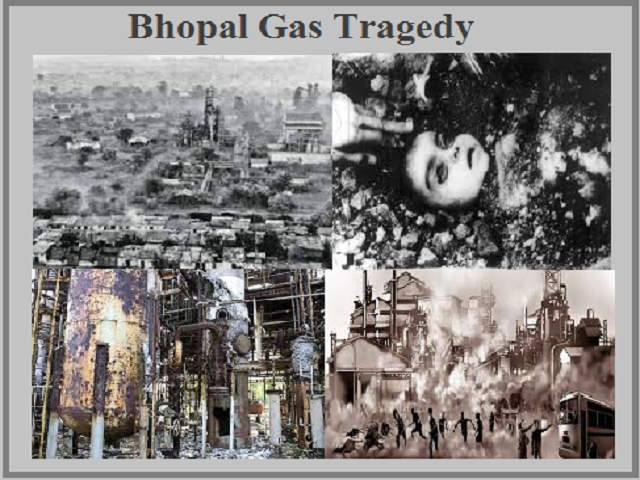
The leak occurred due to a combination of poor maintenance, lack of safety measures, and human negligence. Water accidentally entered a storage tank containing MIC, causing a violent chemical reaction. This reaction increased the pressure inside the tank, and since the safety system was ineffective or shut down, the toxic gas escaped into the air. The workers in the plant were unable to control the leak, and the city was given no proper warning.
As the deadly gas cloud moved across Bhopal, people woke up coughing, choking, and experiencing severe eye and throat irritation. Many tried to run, but the gas spread too fast. Thousands of people collapsed on the streets, unable to breathe. By the morning of 3 December, the scale of the tragedy became clear. More than 3,000 people died immediately, and over the next few days, the death toll increased sharply. In the following years, various studies estimated that 15,000 to 20,000 people eventually died due to the exposure, and over 500,000 people were seriously affected.
The victims suffered from long-term health problems such as respiratory disorders, vision impairment, neurological damage, and reproductive issues. Many children born after the tragedy had congenital disabilities due to the toxic exposure their parents experienced. Even today, some affected families continue to face medical and social problems.
The disaster also raised serious questions about industrial safety, corporate responsibility, and government oversight. Investigations showed that many essential safety devices at the plant were not working. The company had reduced expenses on maintenance, and the plant was operating with minimum staff and outdated technology. The world criticized Union Carbide for failing to ensure safety, and the Indian government for not enforcing strict regulations.
In 1989, Union Carbide agreed to pay $470 million as compensation to the victims, but many believed the amount was too small considering the scale of suffering. Legal battles continued for years, and the demand for justice remains a sensitive issue.
The Bhopal Gas Tragedy is a reminder of how dangerous industrial chemicals can be if not handled responsibly. It emphasizes the need for strict safety standards, continuous monitoring, and accountability. The tragedy changed environmental and industrial laws in India and around the world, helping governments create stronger regulations to prevent similar disasters.
Even decades later, the memory of the Bhopal Gas Tragedy inspires discussions about corporate ethics, human rights, and the importance of protecting communities from industrial risks.
