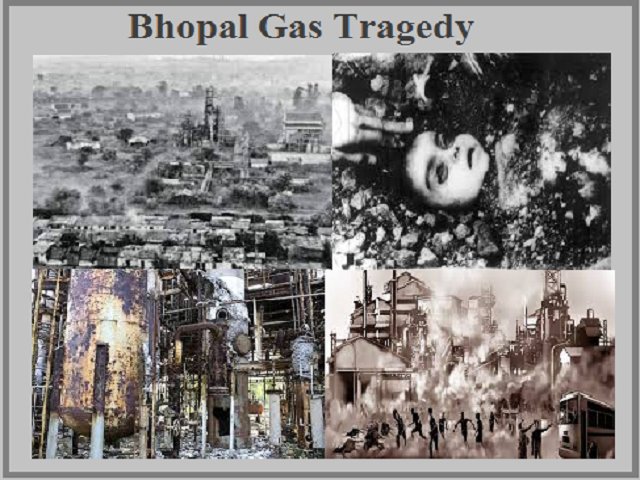
The Bhopal Gas Tragedy is considered one of the world’s worst industrial disasters. It occurred on the night of 2–3 December 1984 in Bhopal, Madhya Pradesh, at the Union Carbide India Limited (UCIL) pesticide plant.
What Happened?
A highly toxic chemical called Methyl Isocyanate (MIC) leaked from a storage tank due to poor maintenance, faulty safety systems, and water entering the tank. The gas spread rapidly into nearby residential areas while most people were asleep.
Impact on People
Thousands of people were exposed to the poisonous gas. Within hours, residents suffered from coughing, burning eyes, breathlessness, vomiting, and severe lung damage.
- Over 3,000 people died immediately.
- Later estimates say 15,000–20,000 deaths happened due to long-term effects.
- More than 5 lakh (500,000) people were affected.
Causes of the Disaster
- Poor safety measures at the plant
- Lack of proper maintenance
- Failure of alarm and cooling systems
- Negligence in handling dangerous chemicals
Long-Term Effects
Many survivors continue to suffer from lifelong health problems:
- Respiratory diseases
- Eye disorders
- Birth defects in children
- Skin problems
- Organ damage
Aftermath and Legal Actions
The Indian government filed a case against Union Carbide. In 1989, the company agreed to a $470 million compensation, which many considered inadequate. The site remains partially contaminated even today, affecting soil and groundwater.
Why the Tragedy Is Important
The Bhopal disaster highlighted the importance of:
- Industrial safety
- Environmental regulations
- Corporate responsibility
- Protection for workers and nearby communities
