Gulsan_gautam
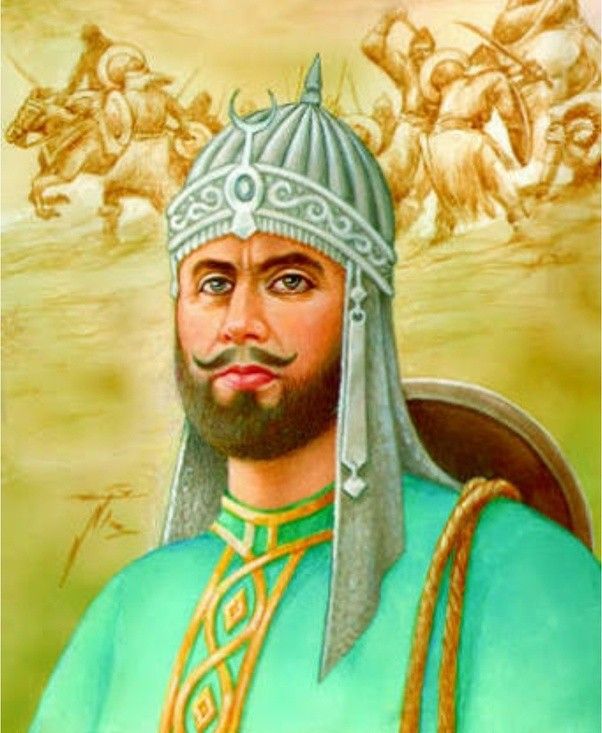
Sher Shah Suri was one of the most powerful and capable rulers in Indian history, known for his administrative genius and military skill. He was the founder of the Sur Empire and ruled northern India from 1540 to 1545. Though his reign was short, his reforms deeply influenced Indian administration and later Mughal rulers, especially Akbar.
Sher Shah Suri was born in 1486 in Sasaram, Bihar. His original name was Farid Khan. He belonged to the Sur tribe of Afghans. From a young age, he was intelligent, brave, and ambitious. He gained the title “Sher Khan” after killing a fierce tiger during a hunting expedition. This act impressed the Afghan ruler and made him famous.
Sher Shah rose to power by defeating the Mughal emperor Humayun in the Battles of Chausa (1539) and Kannauj (1540). After this victory, he established the Sur Empire and became the ruler of North India. His capital was at Delhi. Though he ruled only for about five years, his governance was strong, disciplined, and well-organized.
One of Sher Shah Suri’s greatest achievements was his administrative reforms. He introduced a well-structured system of governance divided into provinces, districts, and villages. He improved land revenue administration by measuring land and fixing fair taxes based on production. This system later became the foundation of Akbar’s revenue system.
Sher Shah also made major contributions to infrastructure. He built the famous Grand Trunk Road, which connected Bengal to the northwest regions of India. This road improved trade, travel, and communication. He also built sarais (rest houses), wells, and shade trees for travelers.
He introduced a strong currency system, including the silver rupee, which later became the basis of India’s monetary system. He also improved law and order, ensuring justice for both rich and poor.
Sher Shah Suri died in 1545 during the siege of Kalinjar Fort due to a gunpowder explosion. Though his reign was short, his impact was long-lasting. He is remembered as a just ruler, great administrator, and visionary king who laid the foundation for modern governance in India.

Author: Gulsan_gautam
I am gulsan gautam.