Utkarsh_bauddh
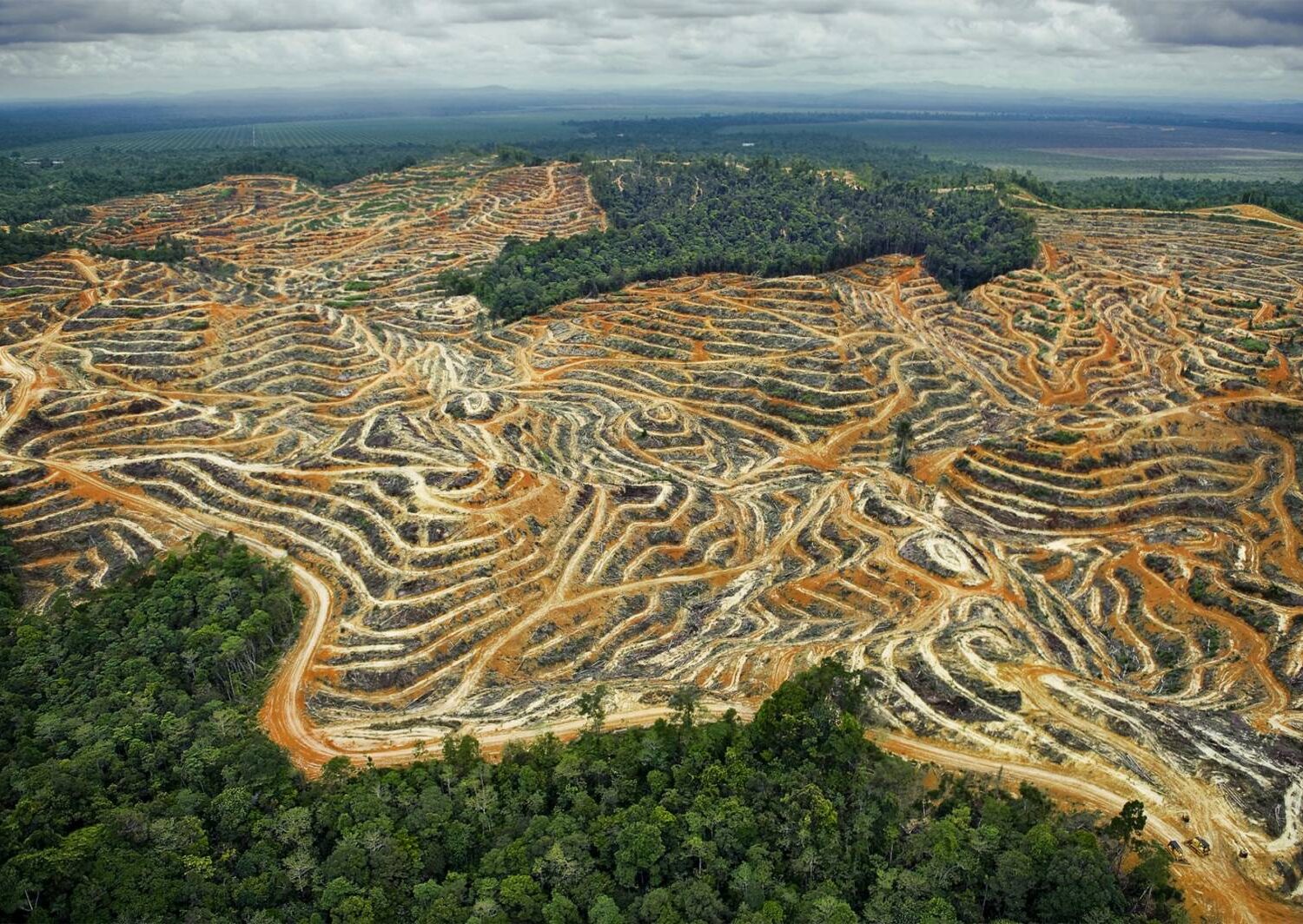
Deforestation is the large-scale removal or clearing of forests, usually to make land available for other uses such as agriculture, urban development, mining, or infrastructure projects. It involves cutting down trees permanently rather than harvesting them sustainably. Deforestation is a major environmental issue because forests play a crucial role in maintaining ecological balance on Earth.
Forests cover about one-third of the Earth’s land surface and are home to more than half of all terrestrial plant and animal species. When forests are destroyed, these species lose their natural habitat, leading to a decline in biodiversity. Many animals and plants become endangered or extinct because they cannot adapt to new environments. This loss of biodiversity weakens ecosystems and reduces their ability to recover from natural disasters or climate changes.
One of the most serious effects of deforestation is its contribution to climate change. Trees absorb carbon dioxide from the atmosphere during photosynthesis and store carbon in their trunks, branches, and roots. When trees are cut down or burned, the stored carbon is released back into the atmosphere as carbon dioxide, a major greenhouse gas. This increases global warming and leads to problems such as rising temperatures, melting glaciers, sea-level rise, and extreme weather events like floods and droughts.
Deforestation also affects the water cycle. Forests help regulate rainfall by releasing water vapor into the atmosphere through a process called transpiration. When forests are removed, rainfall patterns change, often resulting in reduced rainfall and longer dry seasons. Additionally, tree roots hold the soil together. Without trees, soil erosion increases, leading to loss of fertile topsoil, landslides, and siltation of rivers, which can cause floods and reduce agricultural productivity.
The main causes of deforestation include agricultural expansion, especially for crops and cattle grazing, logging for timber and fuelwood, urbanization, mining, and road construction. In many developing countries, forests are cleared to meet the growing demands of population and economic development.
Preventing deforestation is essential for a sustainable future. This can be done through afforestation and reforestation, sustainable forest management, strict laws against illegal logging, and promoting the use of renewable resources. Protecting forests helps conserve biodiversity, fight climate change, support livelihoods, and maintain the natural balance of the Earth.

Author: Utkarsh_bauddh
Hello! I am Utkarsh Bauddh.