Utkarsh_bauddh
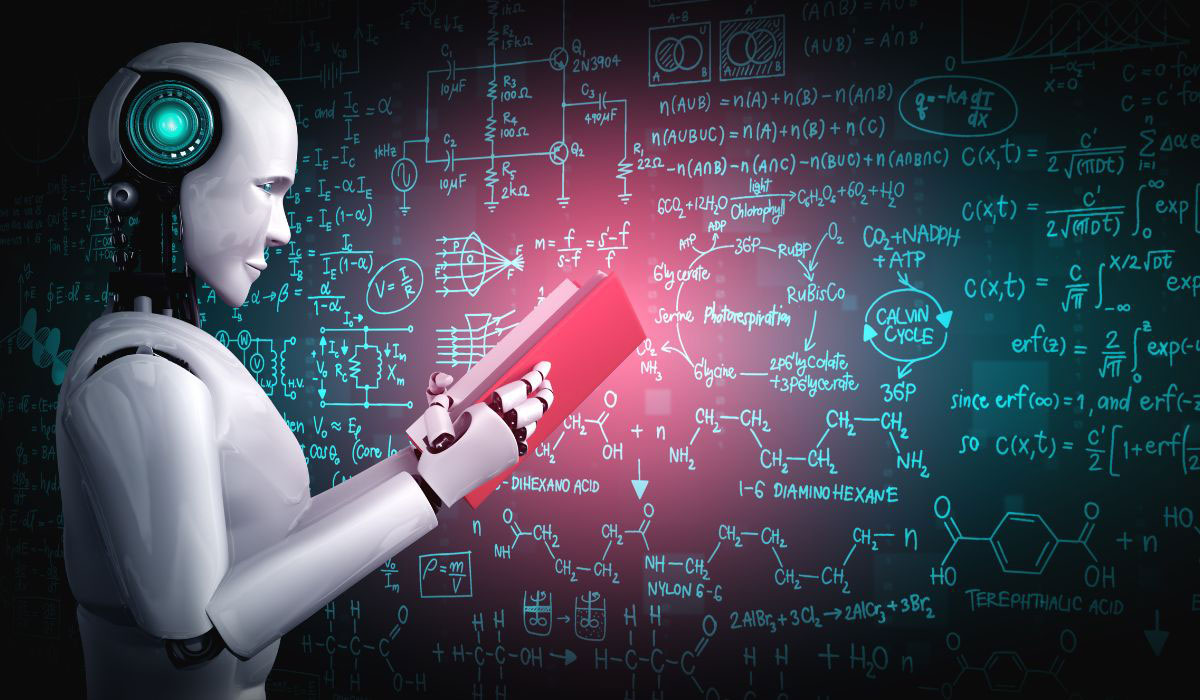
Artificial Intelligence (AI) has the potential to bring great benefits to humanity, but it could also be harmful in the future if it is not developed and used responsibly. Whether AI becomes dangerous or beneficial depends largely on how humans design, control, and regulate it.
One possible harm of AI is job displacement. As AI systems become more capable, they can automate tasks in industries such as manufacturing, transportation, customer service, and even professional fields like law and medicine. This may lead to unemployment or job insecurity for many people, especially those with fewer opportunities to reskill. If societies fail to manage this transition properly, economic inequality and social tension could increase.
Another major concern is misuse of AI. AI can be used for harmful purposes such as creating deepfakes, spreading misinformation, conducting cyberattacks, or developing autonomous weapons. These uses could threaten privacy, democracy, and even human lives. When powerful AI tools are placed in the wrong hands, the consequences can be serious and widespread.
Bias and discrimination are also risks. AI systems learn from data, and if the data contains bias, the AI may reinforce or even amplify unfair treatment based on race, gender, or socioeconomic background. This can lead to unjust decisions in areas like hiring, policing, lending, and healthcare. Without transparency and accountability, such systems may harm vulnerable groups.
There are also long-term concerns about loss of human control. Highly advanced AI systems might make decisions that humans do not fully understand or cannot easily override. While this does not mean AI will suddenly become “evil,” poorly aligned goals or lack of proper safeguards could lead to unintended and harmful outcomes.
However, it is important to note that AI itself is not inherently harmful. AI does not have emotions, desires, or intentions of its own. The risks come from human choices—how AI is programmed, deployed, and governed. With strong ethical guidelines, proper regulation, international cooperation, and continuous human oversight, many of these dangers can be reduced.
In fact, AI also has enormous potential to help humanity by improving healthcare, education, scientific research, climate modeling, and disaster response. The challenge is to maximize these benefits while minimizing risks.
In conclusion, AI can be harmful in the future if it is misused, poorly regulated, or developed without ethical consideration. But with responsible development and careful control, AI is more likely to become a powerful tool for human progress rather than a threat.

Author: Utkarsh_bauddh
Hello! I am Utkarsh Bauddh.