Utkarsh_bauddh
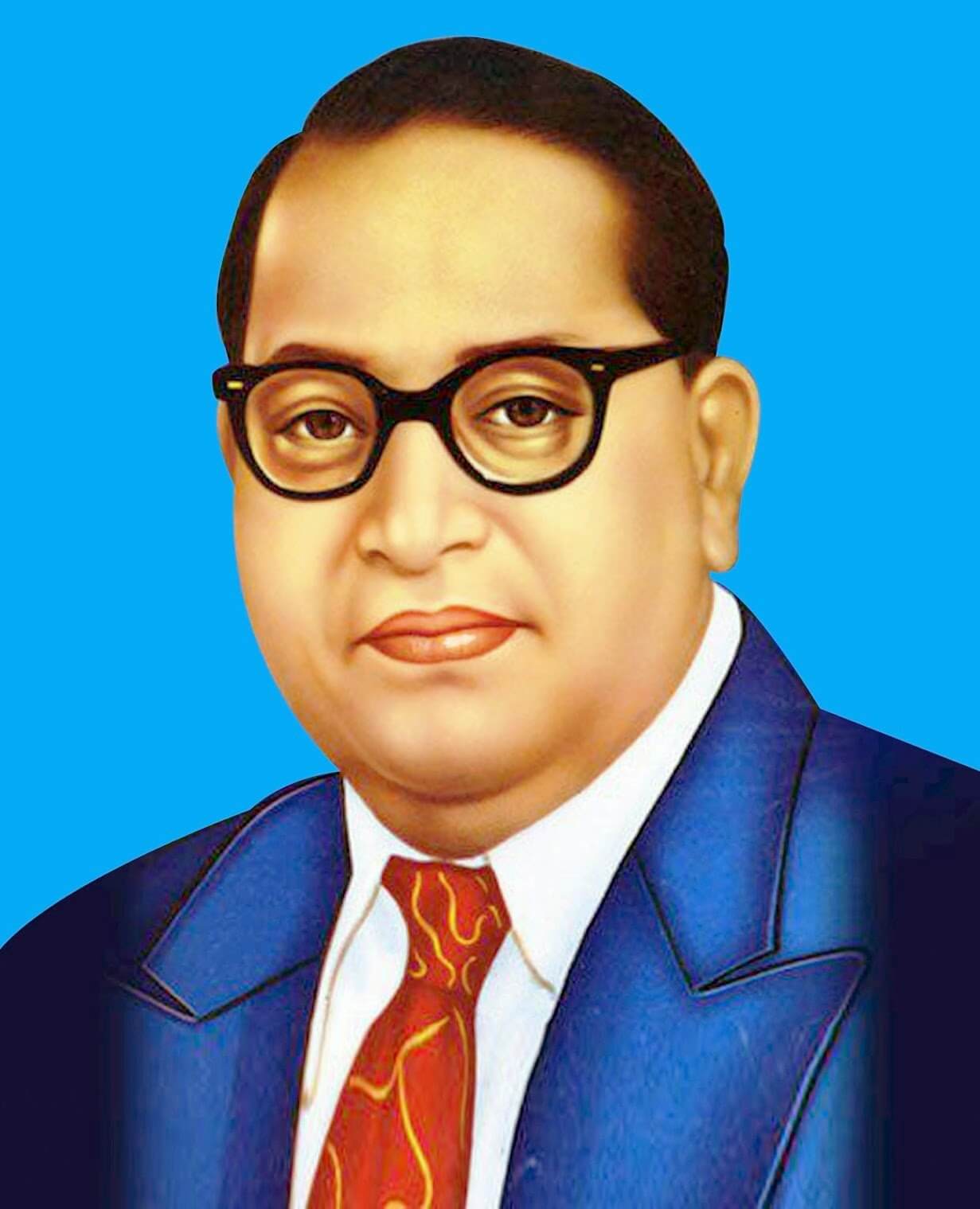
Dr. Bhim Rao Ramji Ambedkar was one of the greatest leaders, thinkers, and social reformers in Indian history. He is widely known as the Father of the Indian Constitution because of his central role in drafting the Constitution of India. His life was devoted to the fight against social injustice, caste discrimination, and inequality. Through education, law, and political action, he worked tirelessly to create a society based on liberty, equality, and fraternity.
Dr. Ambedkar was born on 14 April 1891 in Mhow, in present-day Madhya Pradesh. He belonged to the Mahar community, which was considered “untouchable” at that time. His father, Ramji Maloji Sakpal, served in the British Indian Army. From childhood, Ambedkar experienced painful discrimination. He was not allowed to sit with other students in school, drink water from the same pot, or touch common objects. These humiliations deeply shaped his determination to fight for social equality.
Despite facing hardship, Ambedkar was an excellent student. He completed his early education in Maharashtra and later graduated from Elphinstone College, Bombay University. He went on to study abroad at Columbia University in the United States and the London School of Economics in England. There he earned degrees in economics, political science, and law. His exposure to democratic values and modern political ideas greatly influenced his thinking.
After returning to India, Dr. Ambedkar dedicated himself to improving the condition of the Dalits and other marginalized communities. He believed that education was the most powerful tool for social change. He started journals and newspapers such as Mooknayak and Bahishkrit Bharat to raise awareness about social injustice and discrimination. He also organized movements to demand equal rights, access to public places, and dignity for all.
Dr. Ambedkar entered politics to give a strong voice to the oppressed. He represented India at various international conferences and later became a member of the Viceroy’s Executive Council. After India gained independence in 1947, he was appointed as the first Law Minister of India and made the Chairman of the Drafting Committee of the Constitution.
The Constitution of India, drafted under his leadership, is one of the most detailed and comprehensive constitutions in the world. It guarantees fundamental rights such as equality before the law, freedom of speech, and protection against discrimination. It also provides safeguards for minorities, women, and backward classes. Ambedkar ensured that the Constitution reflected the ideals of justice, liberty, equality, and fraternity.
Dr. Ambedkar also worked for the rights of women. He strongly supported the Hindu Code Bill, which aimed to reform Hindu personal laws and grant women equal rights in marriage, inheritance, and property. Although the bill faced opposition and was not passed in its original form during his time, it later became the foundation for progressive legal reforms.
In 1956, Dr. Ambedkar embraced Buddhism, along with thousands of his followers. He believed that Buddhism represented equality, compassion, and rational thinking. He rejected the caste system and called for a society where people are judged by their character, not by their birth.
Dr. Ambedkar passed away on 6 December 1956, but his legacy continues to inspire millions. In 1990, he was posthumously awarded the Bharat Ratna, India’s highest civilian honor. His life reminds us that true democracy is not just about political freedom, but also about social and economic justice.
In conclusion, Dr. B. R. Ambedkar was not only the architect of the Indian Constitution but also a fearless champion of human rights. His struggle, vision, and determination helped shape modern India. He remains a symbol of hope, equality, and justice for generations to come.

Author: Utkarsh_bauddh
Hello! I am Utkarsh Bauddh.
One thought on “Dr. Bheem Rao Ramji Ambedkar”